Viewing a specific session for ELVIRA NOTARI: BEYOND SILENCE Film Screening.
Share & Print
ELVIRA NOTARI: BEYOND SILENCE Film Screening
Aug 08, 2026 · The 418 Project

Scan with any phone camera to instantly view tickets & event details.
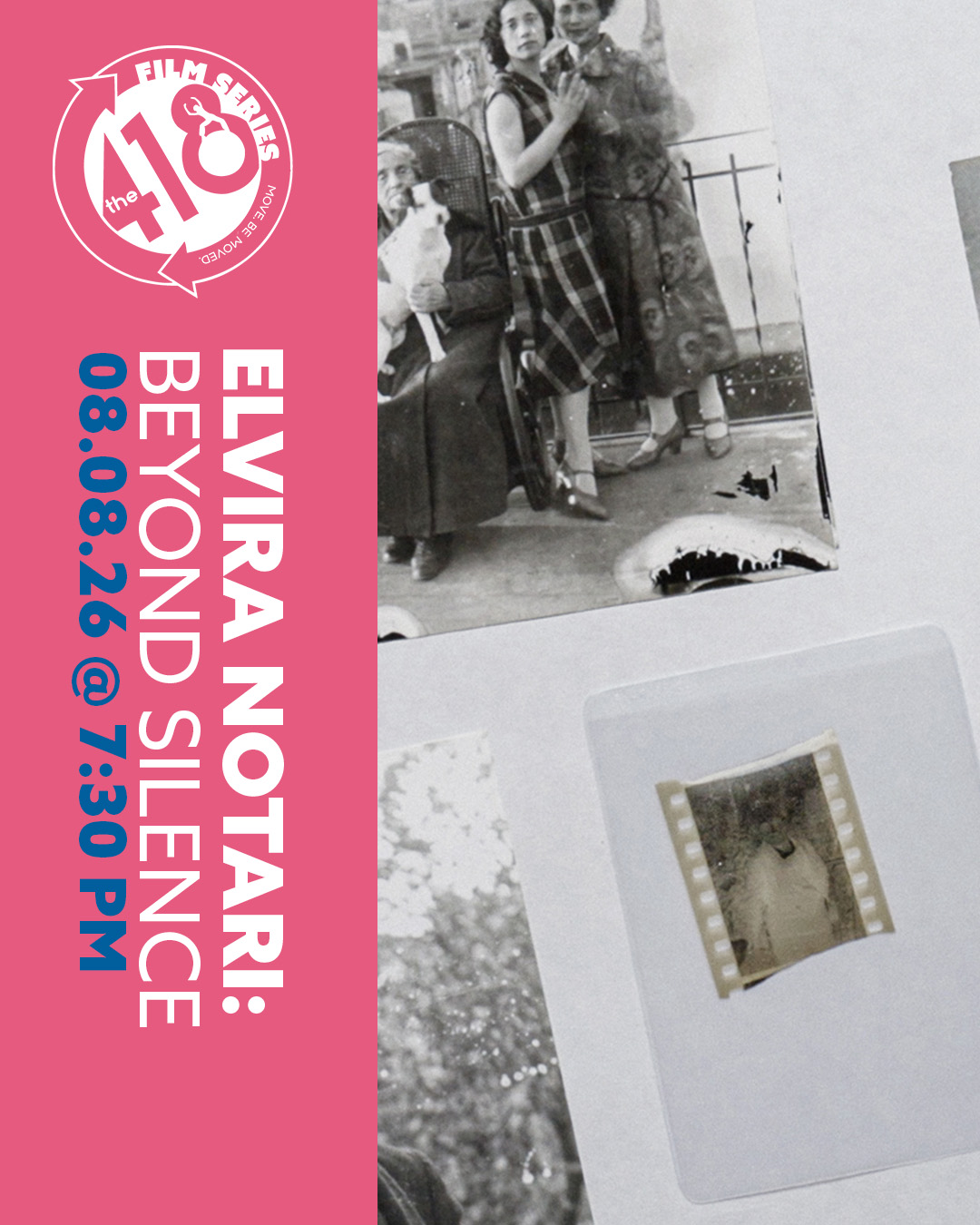
ELVIRA NOTARI: BEYOND SILENCE Film Screening
Special Guest Filmmaker Valerio Ciriaci
Session Date & Time
Aug 08 2026 (Saturday)
7:00 PM - 9:30 PM
Location
The 418 Project
In the: Small Theater
Ticket sales concluded. This session has already taken place.
About This Event
Santa Cruz Premiere – Q&A with filmmaker Valerio Ciriaci
ELVIRA NOTARI: BEYOND SILENCE (2025, Awen Films, 89 min.) Dir. Valerio Ciriaci.
Elvira Notari: Beyond Silence is a feature documentary chronicling the life and work of Elvira Notari (1875-1946), Italy's first woman film director. Despite directing hundreds of silent films that captivated audiences from Naples to New York, Elvira was relegated to the margins of film history for half a century. Her films, poised between realism and staged drama, were deeply rooted in Neapolitan folklore. A woman in a man’s world, her works were targeted by Fascist censorship yet found the embrace of audiences on both sides of the Atlantic. The documentary interweaves voices of those who celebrate her legacy today – from the experts who rediscovered her films to contemporary artists reimagining her vision through new works – to resurrect Elvira’s singular vision. More than a biography, Elvira Notari: Beyond Silence is a prismatic portrait of an artist who continues to inspire new creative pathways.
Discussion following with director Valerio Ciriaci and Shelley Stamp, curator and Professor of Film + Digital Media at UC Santa Cruz.
Elvira Notari - Biographical Overview
Elvira’s films were deeply rooted in local folklore, drawing on Neapolitan songs and adapting them for the screen in the tradition of the sceneggiatatheatrical genre. Stories of intrigue, betrayal, and crimes of passion were intertwined with documentary-style footage of the city: its lively streets and beautiful vistas, but also the hardships of its poorer quarters. Her filming in the streets and immersion in real working-class settings anticipated many of the methods that would define Italian neorealism. Yet within her realist gaze, moments of dreamlike invention emerge: abstract, superimposed, and colorized images that transform the everyday into a realm of imagination and wonder. Among her characters, modern women stand out – figures who embody a sensuality beyond the strict conventions of their time, challenging the rigid divide between victim and femme fatale.
By the late 1920s, Elvira’s films faced growing scrutiny from Fascist censors determined to impose a new national image, purified of regional differences and tales of criminality. To survive, Dora Films shifted its focus to the United States, distributing its productions widely among Italian immigrant communities. An enthusiastic response from these audiences allowed the company to endure even as many others in Naples were forced to close. And alongside its feature films, Dora Film also began producing short documentaries capturing daily life in Southern Italy, commissioned by migrants yearning for a glimpse of home.
In 1930, Elvira withdrew from filmmaking and retreated to Cava de' Tirreni. Her reasons remain uncertain: was it the burden of censorship, the challenges of the new sound era, or unresolved family tensions? Recent discoveries revealed that Elvira and Nicola had a third daughter, Maria, whom they entrusted to the care – a painful decision made perhaps to preserve the fragile balance between work and raising a third child, and one that created rifts in the family. When Elvira left Naples, she went alone. She died in 1946, far from the public eye. For decades, the loss of her films and the silence around her name kept her legacy at the margins of cinema history.
Doors open at 7:00 PM, film at 7:30 PM at The 418 Project, 155 South River Street, downtown Santa Cruz at the Dragons Gate.
$10 in advance, $15 at the door.
Visiting The 418 Project: What to Expect
House guidelines to ensure a welcoming, inclusive space for everyone
We are committed to a safe, welcoming environment where everyone is treated with cultural and personal respect across all backgrounds and identities. We hold the highest standards for consent—in movement, touch, and conversation. Always check in first, honor boundaries, and ensure that consent is clear, voluntary, and ongoing.
As a community-run non-profit collective with a small staff, we cannot clean everything after every event. Please help us care for the space by picking up after yourself, placing recycling and compost in the bins provided, and treating every room with kindness so it remains welcoming for the next gathering.
We have a filtered water bottle refill station on-site, so feel free to bring a refillable bottle. All restrooms are all-gender, ADA-accessible, and located conveniently on the ground floor.
To ensure everyone can breathe and move comfortably—especially community members with chemical sensitivities and asthma—The 418 Project is a low-fragrance space. Please refrain from applying perfumes, scented colognes, or strongly scented lotions before attending.
As an artist-driven non-profit collective, we believe movement and art should be accessible to all regardless of financial circumstances. Many events feature sliding scale tickets, and we offer work-trade opportunities for community members who wish to volunteer in exchange for admission.
Plan Your Visit
Venue & Accessibility
The 418 Project is located in downtown Santa Cruz. We are dedicated to creating an inclusive, accessible, and welcoming space for all dancers, artists, and community members.
Address: 155 S. River St., Santa Cruz, CA 95060
Accessibility: Ground floor entrances & all-gender accessible restrooms
Parking: On-street parking & nearby River Street public garage
Gallery
Discover More
Upcoming at The 418 Project
Nov 05, 2026 7:30 PM
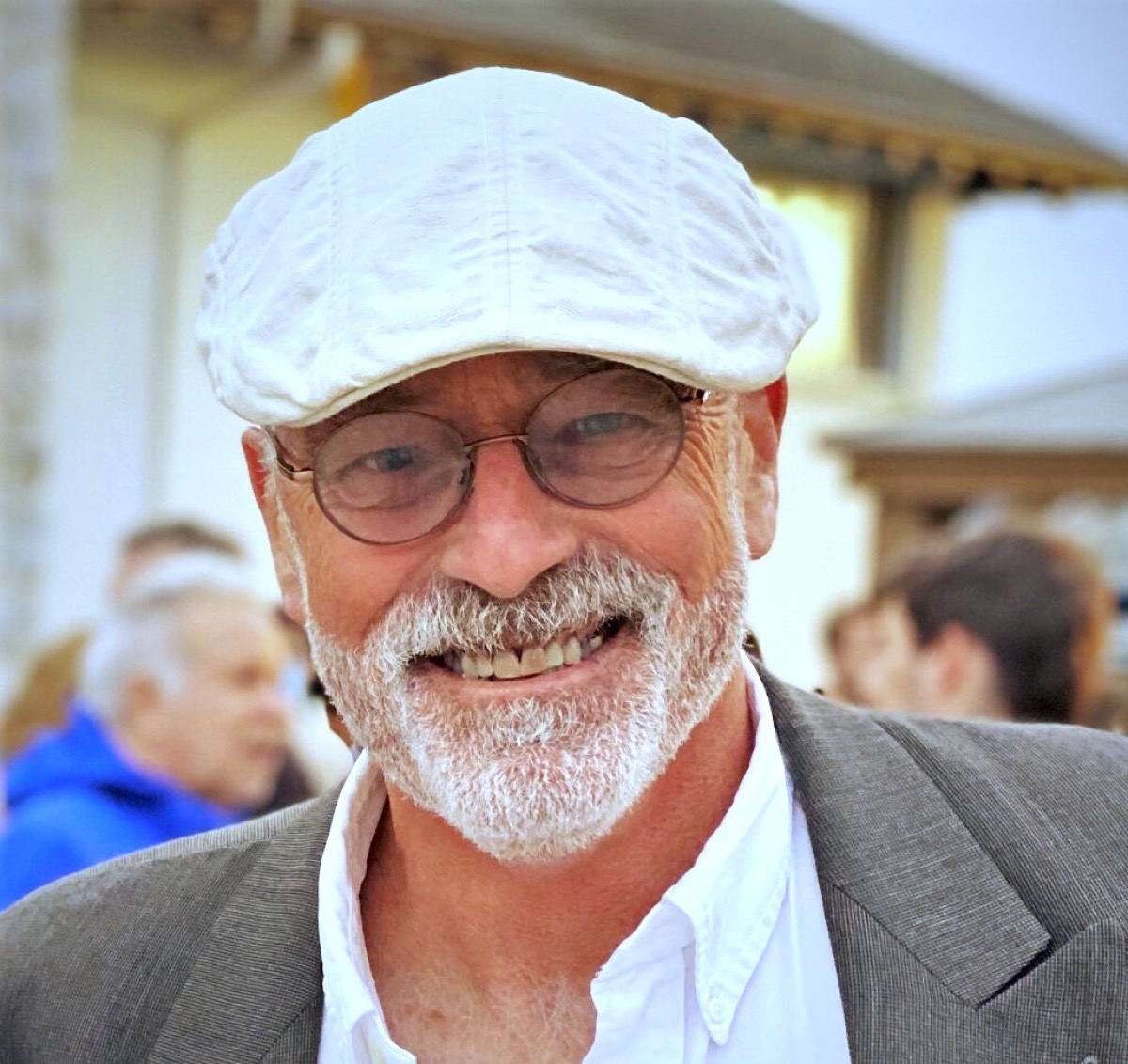
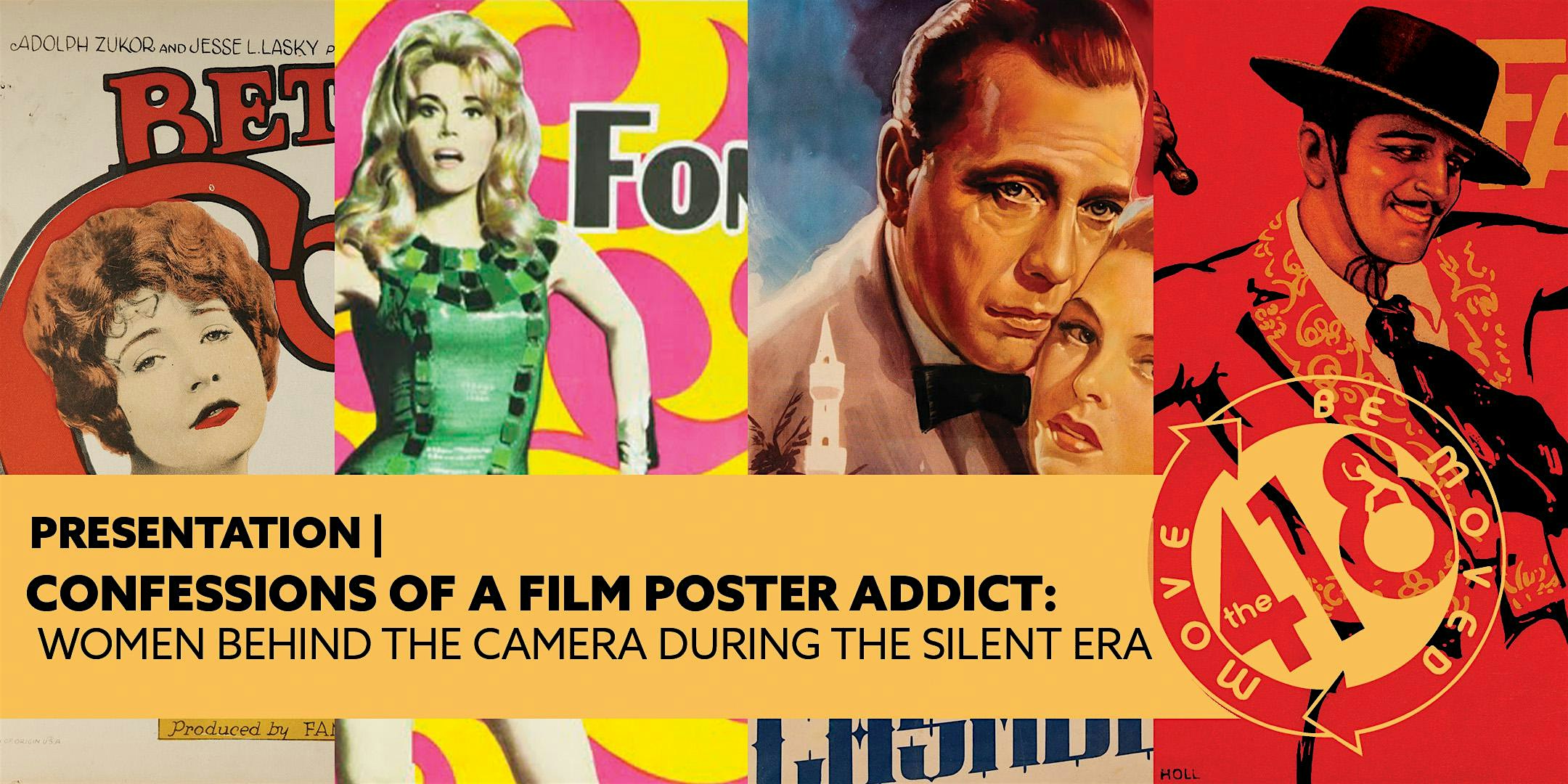
Women Behind the Camera During the Silent Era w/ Dwight Cleveland
Longtime film historian/ poster collector Dwight Cleveland will walk us through his 50-year collection sharing images from around the world.
Small Theater
Nov 07, 2026 7:30 PM
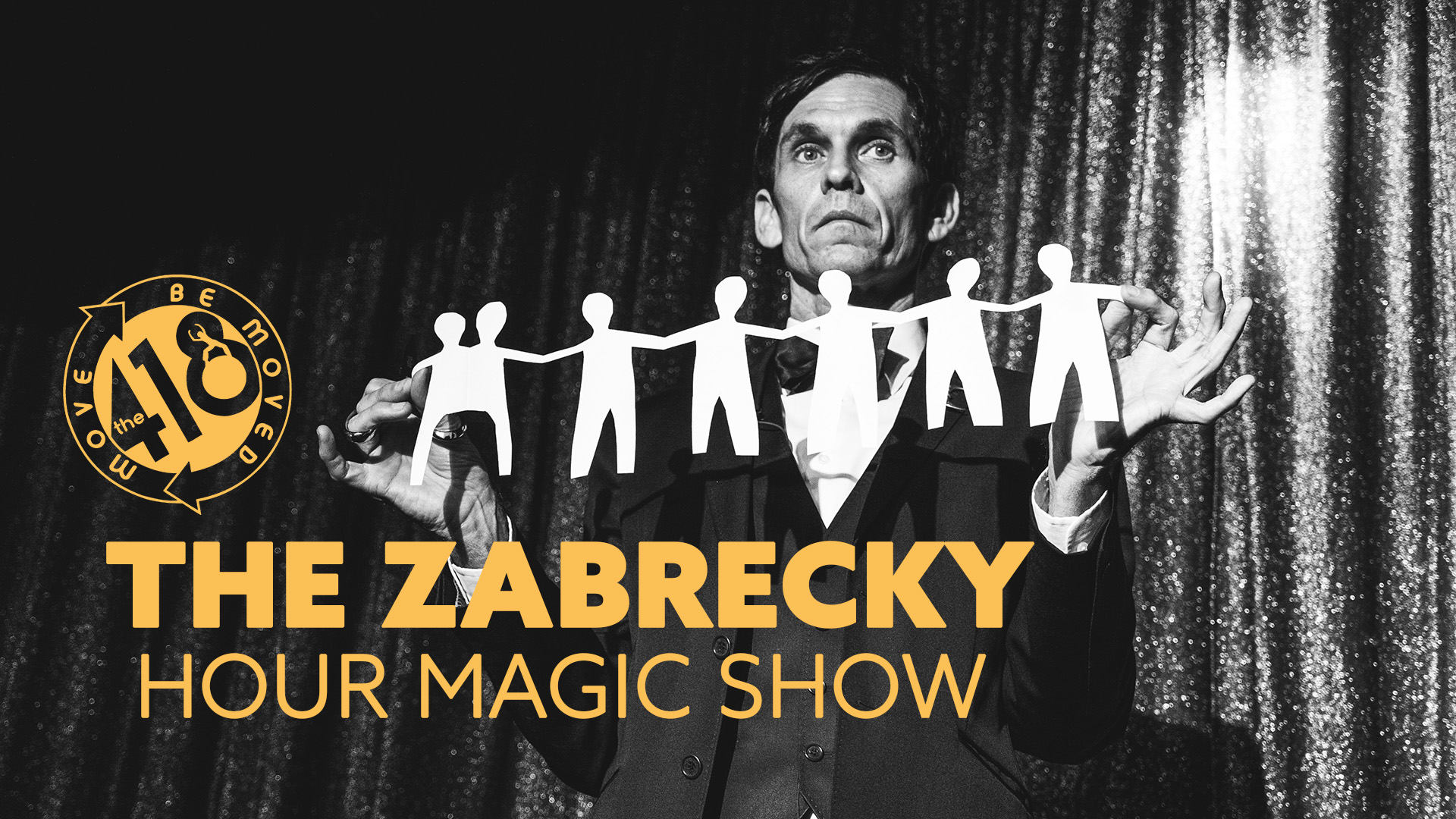
The Zabrecky Hour - Magic Show
Surreal Live Magic Show with Rob Zabrecky!
Large Theater